


Susan V. H. Castro PhD
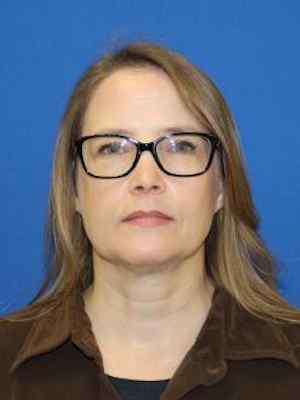
Susan V. H. Castro PhD
Associate Professor of Philosophy
Department of Philosophy · Director, The Academic Center for Biomedical and Health Humanities · Fairmount College of Liberal Arts and Sciences
Fiske Hall 310
Campus Box 74
Office hours
by appointmentOverview
B.A. Mathematics–Applied Science, Specialization in Computing, UCLA
Ph.D. Philosophy, UCLA
APPA Certified Philosophical Counselor
Dr. Castro’s research encompasses a wide range of interests that stem from graduate work in Kant scholarship, and early career work on the Human Genome Project at UCLA and support work for the Jefferson Institute of Molecular Medicine (no clinical or bench work). Her current focus is Philosophy of Biomedical Engineering, Philosophy of Medicine, and AI Ethics with a hefty dose of humanizing from World Philosophy and Philosophical Counseling.
Dr. Castro currently serves as the founding Director of The Academic Center for Biomedical and Health Humanities (HealthHum), which aims to center humanity and health and medicine through collaboration from campus to community in conjunction with the downtown Wichita Biomedical Campus and other health partners. She is also an Instigator for Responsible AI@ICT (rAI), a working group at Wichita State University that brings together researchers from all disciplines to collaborate in intelligently shaping our future in this new era of AI, through translational research that takes special care with respect to how artificial intelligence is developed and integrated into our world.
At WSU Professor Castro has taught History of Ethics, Metaethics, Ethical Theory, Philosophy of Law, Philosophy of Medicine, Philosophy of Feminism, Philosophy of the Arts, Business Ethics, Philosophy of Humor, Ethics and Computers, Biomedical Engineering Ethics, and Ethics of Big Data, among others.
| Set the numbers in the first columns so that they add up to 12. You may have anywhere from 1 to 12 rows. | |
|---|---|
| Yes | Remove padding from outer edges of outer columns? |
| 4 | 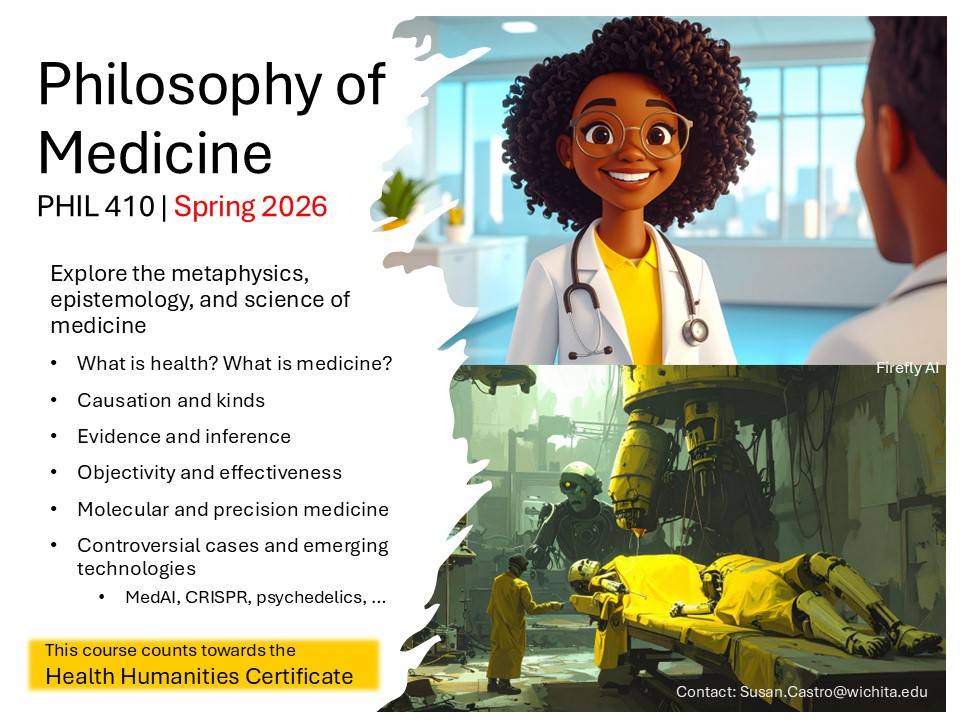 |
| 4 |  |
| 4 |  |
Academic Interests and Expertise
B.A. Mathematics–Applied Science, Specialization in Computing, UCLA
Ph.D. Philosophy, UCLA
APPA Certified Philosophical Counselor
I began my career in bioinformatics, before it was called ‘bioinformatics’, as a programmer and SysAdmin for the Human Genome Project core facility at UCLA. Recognizing that my undergraduate degree didn’t adequately prepare me for the philosophical problems of the work, I turned to philosophy for help understanding things like the nature of homology and function, and the ethics of gene patenting. Somehow I ended up studying Immanuel Kant, who rather predates the discovery of the double-helix. Between graduate school and WSU I worked for three years at the Jefferson Institute of Molecular Medicine, Division of Connective Tissue diseases (grants and manuscripts; no benchwork or patient care).
Today I can’t claim to be an expert in bioinformatics or cell signaling or microbiomes, but I’m certainly interested. I like systems of all kinds. Mostly I’m interested in cognitive activities like ethical agency, scientific reasoning, and artistic performance.
Areas of Research Interest
| Set the numbers in the first columns so that they add up to 12. You may have anywhere from 1 to 12 rows. | |
|---|---|
| Yes | Remove padding from outer edges of outer columns? |
| 6 |
Topics of continuing interest
|
| 6 | 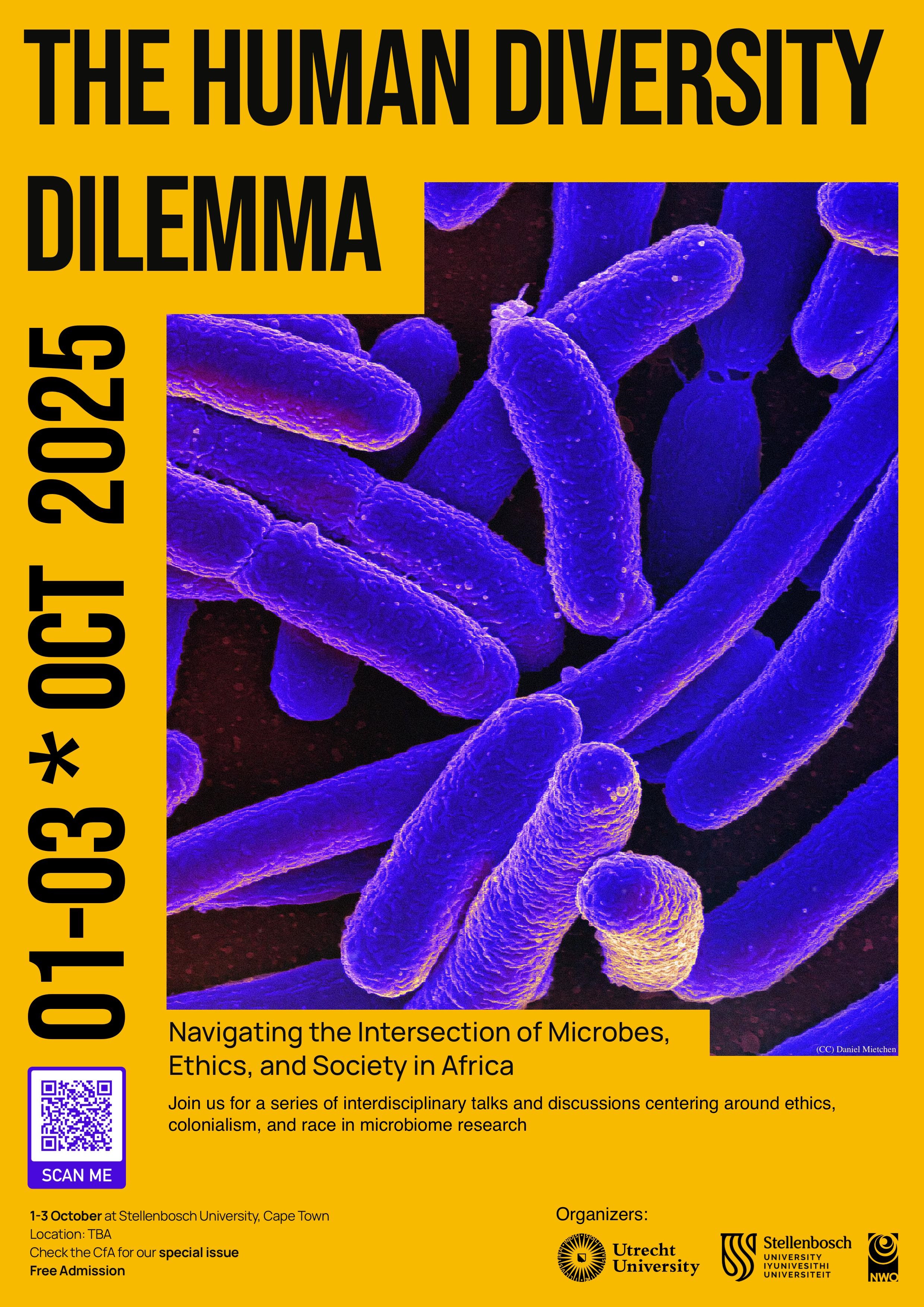 |
Areas of Teaching Interest
Spring 2026:
- PHIL 354 Ethics and Computers
- PHIL 410 Philosophy of Medicine (counts towards UG Certificate in Health Humanities)
Fall 2026:
- PHIL 354 Ethics and Computers
- PHIL 386 Biomedical Engineering Ethics
Other courses and topics taught
- Ethics: Metaethics, ethical theory
- Applied ethics: Cyberethics, including big data and AI; biomedical engineering ethics
- History of Philosophy: Modern philosophy (18th Century), Kant
- Philosophy of the Disciplines: Philosophy of medicine, biomedical engineering, artificial intelligence, law
- Perspectives: Feminist philosophies, philosophy of the arts, philosophy of humor
- First Year Seminars: On Humor, Law
Publications
Upcocoming Talks
“Philosophical Counseling and Value Sensitive Design: first person plural, impure a priori conceptual investigations” American Philosophical Practice Association (APPA) annual meeting, June 27, 2026.
“Deepfaking Humanity: Kant’s aesthetic sensus communis, anthropological moral acculturation, and AI alignment problems” Society for Philosophy and Technology, SIG for Hyperrealistic Large Language Models and Robots, webinar on Hypperreal AI Hyperreality and Deep Fakes in the Artistic and Cultural Spheres, September 2026.
Recent Talks
| Heading | Content |
|---|---|
| Mental Exposomes and their Microbiomes |
“Mental Exposomes and their Microbiomes” SVH Castro Postgenomic Intersections: Epistemology and Ethics for the Exposome and Microbiome Abstract: There are, of course, at least three deep ethical problems with this research trajectory. 1. The ethics of privacy in the digital age is not specific to exposome-microbiome integration, but its issues become increasingly acute as integrations of all varieties are normalized and serving as a data subject becomes increasingly inescapable. 2. Given that AI is the only means we have for processing the vast amounts of data involved, all the ethical AI problems of hallucination, jailbreaking, replicability, and explainability are critical and unsolved. 3. Finally, the level and kinds of control this might grant – to individuals to control their own development, or grant to others to control them – presents new philosophical issues for relational autonomy. |
| Hmmm…Humor and Medicine, Mnemonics and Memory |
“Hmmm…Humor and Medicine, Mnemonics and Memory” SVH Castro Philosophy of Humor Session Abstract: In this talk I use some considerations from the philosophy of humor discourse and a little bit from the philosophy of memory and cognition to motivate a hypothesis that is in principle empirically testable. The research question concerns how to use humor or playfulness well in the construction of mnemonics for medical contexts. The philosophy of humor contribution comes primarily from incongruity and cognitive shift theory and its implications for mental agility and flow states. I also throw Kant in the mix, as one does, by appeal to his theory of imagination.
|
| Becoming Kin: Nurturing Mindful Arts Based Practices with the Natural Environment |
“Becoming Kin: Nurturing Mindful Arts Based Practices with the Natural Environment” Lori Santos, Susan G. Sterrett, Susan VH Castro Hawaii International Conference on Education (HICE) Abstract: Session guides for this workshop introduce participants to three layers of nature journaling experiences, guiding them to develop their own approaches and experiences. Examples shown include how people have historically and presently combined text/symbols and image/drawings to document and communicate creative expressions of place. Indigenous artists who engage Indigenous philosophies of land-based kinship in art [Santos], creative writing prompts and illustrated texts from Japanese history (emakimono) [Castro], and scientific botanical journaling [Sterrett] will inform prompts for personal exploration. Seed funding for developing this work was provided by a MURPA grant to the three presenters, summer 2024. |
| AI Ethics for OI: Communicating Moral Status through Mindreading Technologies for Organoid Intelligence |
“AI Ethics for OI: Communicating Moral Status through Mindreading Technologies for Organoid Intelligence” SVH Castro Minds and Machines: Artificial Intelligence, Algorithms, Ethics, and Order in Global Society 20th Annual International Conference on Interdisciplinary Social Sciences University of Malaga, Spain July 4, 2025 Abstract: Organoid Intelligence (OI) is the development of lab-grown mini-brains from induced pluripotent human cells for computational purposes. OI promises to offer self-organizational, growth, and healing capabilities with negligible energy costs and heat production compared to AI in silica. Given the environmentally catastrophic projections for AI in silica, organoid computing and other synthetic biological intelligence (SBI) alternatives might offer a more ethical path. Obviously, however, sentience, consciousness, and a subjective point of view may arise from the organization and growth of brain cells. Calls for emphasizing the critical importance of ethics in OI are thus common and sincere but often empty. Until recently there was little hope of determining which levels and kinds of complexity in OI could give rise to ethical markers of moral status. Now mindreading technologies like mind-to-text brain implants for stroke patients have advanced to the point of detecting specific language intention such as “I’m thirsty” from real-time electroencephalographic data from living human brains. While we are still quite far from being able to use AI to detect the precursors of moral status so as to limit OI research subjects to remain within any given ethical boundary space, the Precautionary Principle and Non-maleficence strongly imply that subjects protection procedures like the US institutional review board (IRB) approval process are needed now. The contribution to OI ethics that I want to try to make is twofold. First, using what we’re learning from mindreading R&D can and should be applied, synchronously, to the moral marker problem in OI. Second, Indigenous metaethics, specifically a kinship approach to research subjects, may offer a way to unify and make coherent the regulatory principles and procedures that we need for the 21st Century. |
| Medical Integrity, Algorithmic Intimacy, and Organoid AI |
“Medical Integrity, Algorithmic Intimacy, and Organoid AI” SVH Castro Emerging Technologies: Promises and Perils Newman University, Wichita, USA April 12, 2025 Framing questions:
The third question is merely raised in this talk. I discuss the question and its implications in further detail in the AI for OI talk presented at the University of Malaga in July 2025. |
| Algorithmic Humor |
“Algorithmic Humor” SVH Castro Philosophy of Humor Session American Philosophical Association, Central Division Meeting New Orleans, LA, USA Feburary 22, 2025 Abstract: For decades the internet has been littered with found humor generated by naughty autocorrect glitches and spontaneous incongruities. This year generative AI based on large language models has decidedly leveled up. Today ChatGPT can write a passable sitcom scene in a style and theme of the prompter’s choice, and the techno-public is just beginning to explore what else chatbots and similar technology can generate. This quasi-singularity in AI development reframes questions for philosophy of humor, philosophy of technology, epistemology, and personhood. Drawing from Susan Sterrett’s work on the Turing Test, aspects of the explainable AI movement, and contemporary work in the philosophy of humor, I outline a general approach to theorizing algorithmic humor. |
| Healthy Humor: Philosophy of Medicine Meets Humor Theory |
“Healthy Humor” SVH Castro Philosophy of Humor Session American Philosophical Association, Pacific Division Meeting Portland, OR, USA March 20, 2024 Abstract: Christopher Boorse is often credited with elevating philosophical questions regarding our conceptions of health and disease to found philosophy of medicine as a developing specialty in academic philosophy. John Morreal is similarly credited with founding philosophy of humor. This talk brings together considerations from both these traditions to establish a framework for understanding healthy humorand its potential contrast concepts, ranging from sick humor to considering what might qualify as a humor disability . |
| More talks |
Castro, Susan V. H. “Medical and Algorithmic Intimacy: Philosophical Considerations”, Artful Medicine Symposium, October 2023. Castro, Susan V. H. “Ethics of Big Data”, WSU Academic Resources Conference, January 2023. Castro, Susan V. H. Panelist for “Academic Integrity in the Age of AI”, WSU Academic Resources Conference, January 2023. Castro, Susan V. H. “Ethics of Professional Judgment in Dentistry”, Wichita District Dental Society (CME credit in ethics). Castro, Susan V. H. “Sublime Humor”, APA Central, Philosophy of Humor Session, February 2022. Castro, Susan V. H. “On the ‘logics’ of renga” Kansas Philosophical Society, February 2020. Castro, Susan V. H. “The Category-Theoretic Space of Kant’s Imagination”, History of Philosophy of Science (HOPOS), Minneapolis, June 2016. Castro, Susan V. H. “The Ambitious Idea of Kant’s Corollary”, International Kant Congress, Vienna, September 2015. Castro, Susan V. H. “Acting as a Double Agent without Becoming Two Faced”, Association of Fundraising Professionals Annual Ethics Seminar, October 17, 2014. |
Some publications
| Heading | Content |
|---|---|
| Refocusing on Focal Things as Agentic Games: Pokémon Game Boy, Renga, and Chatbots |
Castro, Susan V. H. (forthcoming 2026) “Refocusing on Focal Things as Agentic Games: Pokémon Game Boy, Renga, and Chatbots” Southwest Philosophy Review 42(2). |
| Prosecuting the Case Against Clewis |
Castro, Susan V. H. (2022) “Prosecuting the Case Against Clewis” Philosophy of Humor Yearbook 4:283-6. This is a pompous, tongue-in-cheek, Kantian-insider roast. It is not at all the proper book review I was asked to write. Tags: Philosophy of Humor, Immanuel Kant, Aesthetics, Philosophy of Art |
| Paradigms of Smart Farming: Chemical, Ecological, Algorithmic |
Castro, Susan V. H. (2022) “ Paradigms of Smart Farming: Chemical, Ecological, Algorithmic” MDPI Proceedings, 2021 Summit of the International Society for the Study of Information (IS4SI), Philosophy and Computing Session. Tags: Artificial Intelligence, Automation, Agriculture, Metaphysics, Ethics |
| Engendering Algorithmic Oppression |
Castro, Susan V. H. (2020) “Engendering Algorithmic Oppression” Blog of the American Philosophical Association. Tags: Artificial Intelligence, Diversity and Inclusion, Women in Philosophy. |
| A Kantian Theory of the Sensory Processing Subtype of ASD [Autism] |
Castro, Susan V. H. (2019) “A Kantian Theory of the Sensory Processing Subtype of ASD [Autism]”Journal of Cognition and Neuroethics, 6(1):1-15. Tags: Autism spectrum, Autism Spectrum Disorder, Immanuel Kant, Sensory Disorders |
| Zeami’s Reply to Plato: On the Art of Sarugaku |
Castro, SVH (2018) “Zeami’s Reply to Plato: On the Art of Sarugaku”Japan Studies Association Journal 15(1):1-22. Tags: Japanese Philosophy, Sarugaku, Noh Theater, Zeami Motokiyo, Plato, Philosophy of Art, Metaphysics |
Working Papers
Book projects
- Introduction to Health Humanities multidisciplinary anthology (organized through HealthHum)
- Philosophy of Medicine
- Futures of Health
- Philosophy of Bioengineering monograph (supported by ARCS grant 2025 and FARE Mutual Mentoring Team Grant 2025)
- Establishing Moral Metaphysics as a Science monograph (casualty of the pandemic sabbatical, to be resurrected in due course)
Papers/Chapters in progress
- Ubuntu Revisited: Healing for Microbiome-Inclusive Personhood (supported by ARCS grant 2025)
- The Gut-Heart Axis, Writ Microbiome to Mind (Philosophy of the Biological Heart anthology)
-
The BIV lives: Mini-Brains, miBrains, and Organoid Intelligence as Novel Research Subjects (supported by ARCS grant 2025)
- Philosophy of Humor: Healthy Humor, Moments of Humor (Kantian)
- Philosophy of STEM: Algorithmic Intimacies, The Category-Theoretic Space of Kant’s Imagination
- Sister Stories; Philosphy in situ (supported by MuRPA grant 2024)
- Comparative Philosophy: Kant’s reply to Zeami: Sarugaku, sensus communis, and perpetual peace (with Dr. Robert Feleppa)
Grants
FARE Mutual Mentoring Team Grant, AY 2025-26
Interdisciplinary Writing and Publishing Network for Books
Team: Jason Allen, Assistant Professor of Creative Writing; Susan V.H. Castro, Associate Professor of Philosophy; Alyssa Lynne-Joseph (PI), Assistant Professor of Sociology; Trevor R. Nelson, Assistant Professor of Musicology
Award for Research/Creative Projects in Summer (ARCS), Summer 2025
Philosophy of Biomedical Engineering
Susan V.H. Castro (PI), student assistant [redacted]
Multidisciplinary Research Project Awards (MuRPA), Summer 2024
Sowing and Growing Through Mindfulness with Nature: Implications for an Indigenous-Informed Creative Arts Praxis
Lori Santos (PI: Art Education), Susan G. Sterrett (Co-PI: Philosophy), Susan Castro (Co-PI: Philosophy)
Areas of Service
WSU President’s Distinguished Service Award 2025
Director, The Academic Center for Biomedical and Health Humanities ( HealthHum)
Professional Service
- Board Member, Association for Philosophy and Computing
- Executive Committee Member, Southwestern Philosophical Society
WSU AY 2025-26
- Member, AI Strategy Council
- Lead, AI Ethics and Responsible Use team
- Instigator/Organizer, Responsible AI@ICT
- Ethics Area Chair and local poc, Heartland AI Symposium
- Senator at-large, Faculty Senate 2025-2027
- Member, Faculty Senate Rules Committee
- Faculty Advisor, WSU-HIREs Humanities Applied Learning program, supported by the Mellon Foundation
- Member, LAS Curriculum Committee
- Chair, Chair Policy Review Task Force
- Philosophy Department website manager
Prior Service
- Department chair Summer 2021- August 2024
- Member, President’s Innovation Advisory Council (PIAC) 2023-2026
- Faculty Senate President-elect AY 2021-2022
- Faculty Senate President AY 2022-2023
- Faculty Senate past President 2023-2024